
You finish lunch and feel heavy, uncomfortable and ready to undo your waistband. Then an advert tells you the answer is a “gut reset”. Another tells you to cut out half your shopping list.
Before you rebuild your entire diet, look at the ordinary foods you could include more regularly—and what your own digestion tolerates.
No food works for every stomach. A more varied eating pattern can begin with small changes rather than a dramatic cleanse.
1. Oats
Porridge does not need to be photogenic to be useful. Keep oats at work if breakfast often happens there. Try them warm, or prepare overnight oats according to a suitable recipe and storage guidance.
2. Beans and lentils
Add a small amount to a meal you already make: lentils in tomato sauce, chickpeas in a lunch bowl, or beans alongside a baked potato. Start with a portion that suits you rather than jumping straight to a large serving.
3. Fruit you will actually eat
Fresh, frozen and suitable tinned options make variety easier. Berries are one choice, but an apple in your bag can be more useful than an expensive punnet left untouched in the fridge.
Oats, pulses and fruit all contribute fibre; the NHS recommends drawing fibre from different foods.
4. Yoghurt that suits your digestion
If you enjoy yoghurt, check whether it contains live cultures. Greek yoghurt is not automatically the best choice for everybody, and some people need lactose-free or other alternatives.
For texture, add a little granola such as Purely Elizabeth — Almond Butter Berries Protein Ancient Grain Granola.
The granola is a topping, not a treatment for bloating. Check ingredients if particular fibres or nuts bother you.
5. Vegetables in a form you like
You do not have to force down a huge raw salad. Try roasted carrots, cooked courgettes or vegetables stirred into soup. Serve them with a dressing you enjoy; Hunter & Gather — Extra Virgin Olive Oil is an optional choice for finishing the dish.
6. Nuts and seeds
Use a small amount to add texture to porridge or a salad. You do not need several varieties at every meal. Keep allergies, portions and personal tolerance in mind.
7. Fermented foods, if you enjoy them
Live yoghurt, kefir or some fermented vegetables can add variety. Fermentation does not guarantee that a product still contains live microorganisms: processing and storage matter. Ordinary tofu is not a fermented food.
The NHS explains that evidence for probiotics depends on the condition and claim. “Fermented” on a label is not a promise to fix your digestion.
Turn the list into lunch
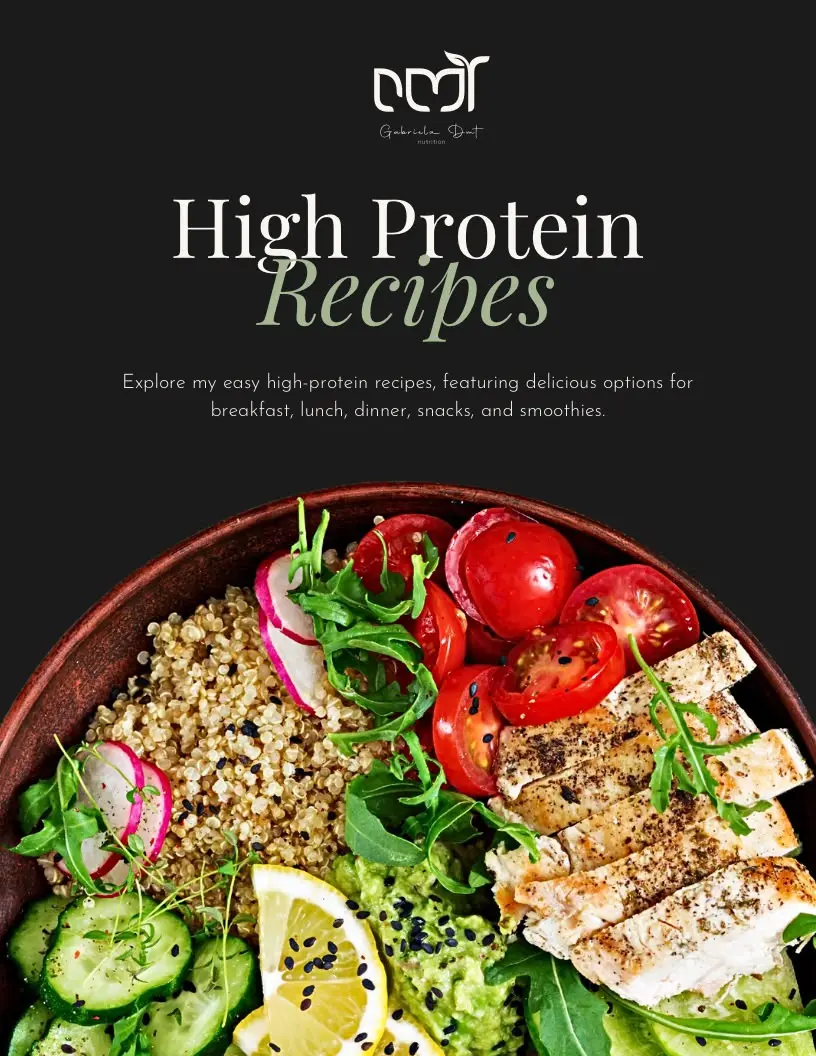
Try a bowl with a familiar grain, a modest serving of chickpeas, cooked vegetables and a dressing. Pack it in something practical, such as the Black+Blum — Stainless Steel Lunch Box - Olive.
If discomfort is frequent or persistent, get it checked rather than continuing to add foods that make you feel worse.
Your next step: add one suitable food to a meal you already enjoy. Browse the DMT recipes for an easy starting point.
Sources: NHS fibre guidance and digestive-food guidance, linked above. The seven-item selection is an editorial list, not a ranking endorsed by an unnamed doctor.