The number on the scale is falling, but your workouts feel harder and carrying the shopping seems more tiring. You wanted to feel better in your body, not spend the day running on empty.
Weight alone cannot tell you how much fat or muscle has changed. It helps to pay attention to strength, recovery and how well you can manage everyday life too.
If weight loss is your goal, make room in the plan for the things you want to keep.
Give your muscles a reason to stay useful
Strength work does not have to mean a complicated gym programme. It does need to challenge you appropriately and develop as you get stronger.
Adults are advised to include strengthening activities for all major muscle groups on at least two days each week. NHS activity guidelines.
Depending on your experience, that might include bodyweight movements, resistance bands, weights or supported gym exercises. Ask for help with technique if you are new. A short session you can repeat is a practical place to begin, but a fixed twenty-minute routine is not a guarantee of muscle preservation.
Consider protein across the whole day
Look for meals that rarely include a protein source. Add one you enjoy rather than trying to fix everything with a very large dinner.
Eggs, fish, dairy, tofu, beans, lentils and other protein foods can all contribute. If an unflavoured powder makes your current breakfast easier to adapt, Form Nutrition — Pureblend Protein is an option.
Research in healthy adults doing resistance training found that additional protein supported gains, with no further average muscle-gain benefit above roughly 1.6g/kg/day in the analysis. That is context—not a universal minimum for every woman, and not a study establishing the right weight-loss prescription for everyone. Morton et al., 2018.
Do not let lunch vanish
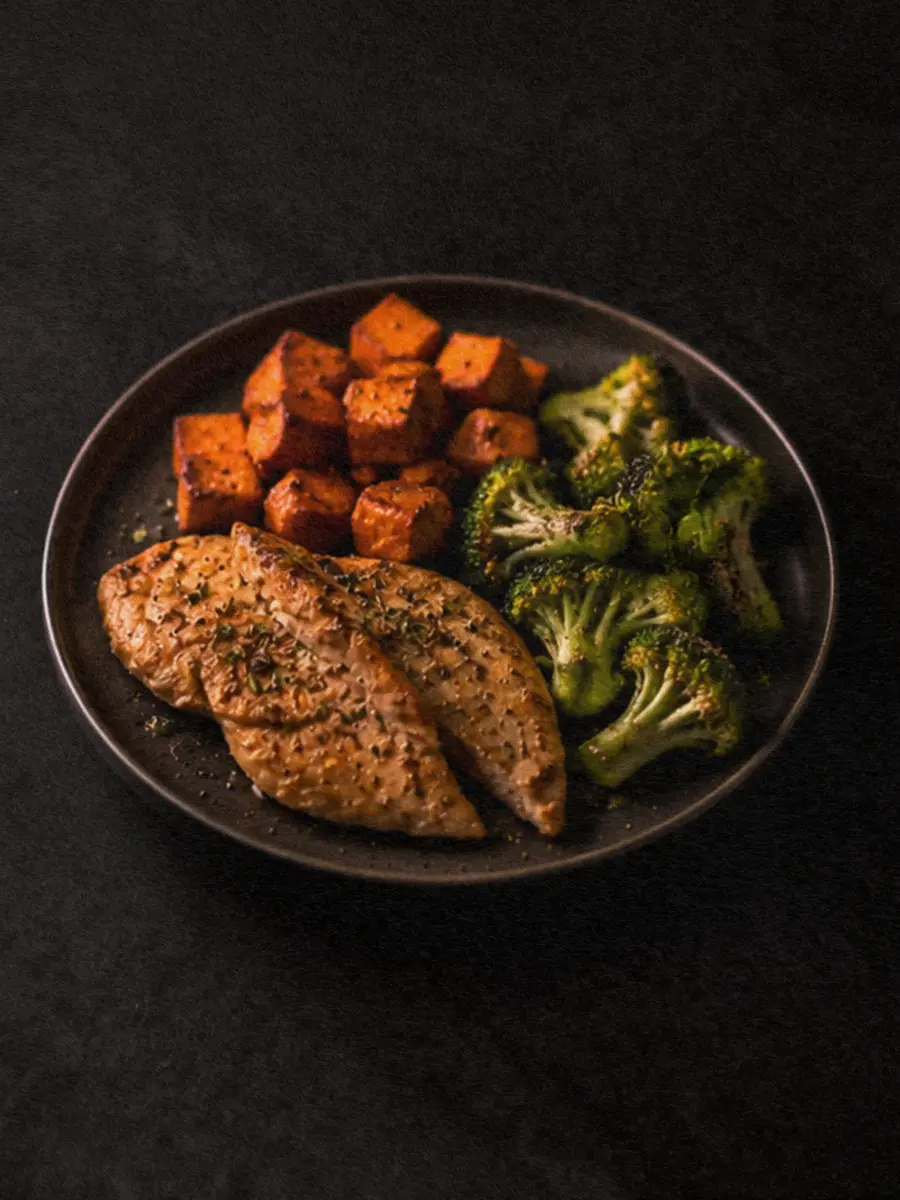
If eating less has become barely eating until the evening, review the approach. A proper lunch can include protein, carbohydrates and vegetables in portions that fit you.
Pack it in a convenient container such as Black+Blum — Stainless Steel Lunch Box - Olive.
If an appointment runs late, a portable option such as PRIMA — Ancestral Protein Bar - Salted Caramel may help you bridge the gap.
The bar contains a mixture of collagen and whey. It is a convenient snack, not a substitute for varied meals or a product shown here to preserve muscle on its own.
Watch more than the scale
Keep a simple record of a few exercises: the resistance used, repetitions and how they felt. Also notice whether you have enough energy for the rest of your day.
One difficult session does not prove you are losing muscle. A persistent decline, poor recovery or feeling unwell is worth discussing with a qualified professional. If you take weight-management medication or have a condition affecting protein needs, get individual guidance.
Where does creatine fit?
If strength training is already part of your week, creatine is an optional supplement to learn about. Thorne — Creatine is one creatine-monohydrate option. Research summarised by the NIH Office of Dietary Supplements supports creatine for repeated, short bursts of high-intensity exercise, including weight training. It does not replace training or adequate meals, and it is not a fat-loss product.
Creatine can increase scale weight through water retention, which matters when you are judging progress only by the scales. Follow the product label and seek individual advice before using it if you have a medical condition, take medication, are pregnant or are breastfeeding.
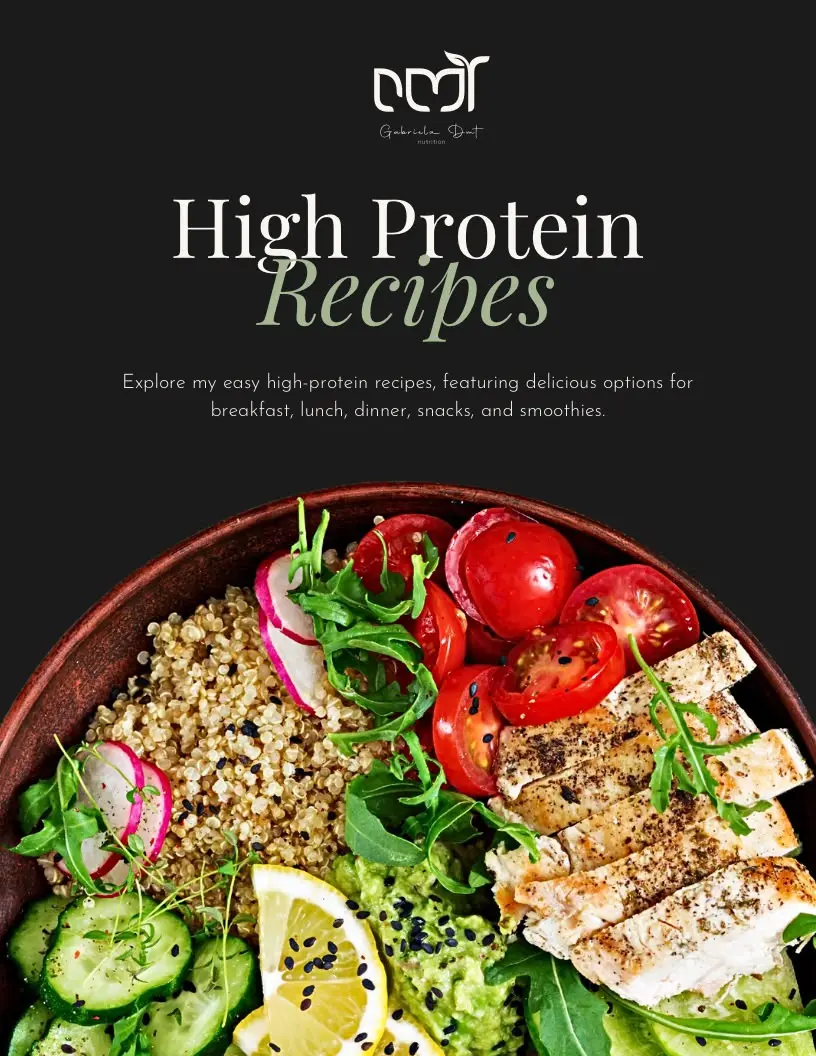
Your next step: put two realistic strength sessions in your week and choose one lunch you can repeat. The DMT recipe library can help with the food part.
Sources: NHS activity guidelines; Morton et al., 2018, linked above. No guarantee is made that a particular product, session duration or protein amount will prevent muscle loss.