Every time you open your phone, there seems to be something else you should be adding to breakfast. More protein. More fibre. A supplement for your gut. A drink that apparently does what water cannot.
Meanwhile, you still need to work out what to eat between meetings.
The most useful nutrition advice earns its place by making that decision easier. Here are four priorities worth bringing into the rest of 2026—and a way to begin without buying a cupboard full of new products.
1. Give fibre a place in an ordinary meal
You do not need to turn breakfast into a seed collection. Start with something you recognise: porridge, wholemeal toast, fruit, or beans added to lunch.
The UK adult recommendation is 30g of fibre a day. Variety matters; there is no single food you have to use. NHS fibre guidance.
If you want a ready-made topping for yoghurt, Purely Elizabeth — Almond Butter Berries Protein Ancient Grain Granola is one option.
Choose it for convenience and taste. Plain oats and fruit are another route. Introduce changes gradually if your usual diet contains little fibre.
2. Make protein easier to include
Before adding more products, look at the meals you already enjoy. Could your toast come with eggs? Could your soup include lentils? Could lunch contain tofu, chicken, fish or beans?
On a morning when a familiar breakfast needs a practical addition, Form Nutrition — Pureblend Protein can be an option.
The question is whether it helps you make a meal you will actually eat. There is no prize for choosing a complicated breakfast you abandon after three days.
3. Keep ordinary hydration ordinary
Plain water remains a perfectly useful drink. The NHS suggests six to eight cups or glasses of fluid a day as a guide, with needs varying by circumstances. Tea, coffee and milk can count too. NHS hydration guidance.
Try keeping a drink beside the place where you work and having one with meals. An ordinary desk day does not automatically call for an electrolyte powder. A specialist product should answer a particular need, not make the basic habit feel inadequate.
4. Solve the meal you keep missing
The useful innovation may be lunch that exists before you become hungry.
Choose tomorrow's meal while you are already in the kitchen. Pack it in a container you can carry comfortably; the Black+Blum — Stainless Steel Lunch Box - Olive is one option.
Keep food chilled and use a microwave-safe dish for reheating.
What about GLP-1 nutrition advice?
If you take a weight-management medicine, discuss eating difficulties, side effects and nutrition with your prescriber. Social media's “GLP-1 support” label does not make a generic supplement or meal plan appropriate for you.
For everyday eating, start with one problem you can name: breakfast is rushed, lunch is missing, or dinner requires more energy than you have left.
Keep water where your working day happens. A Black+Blum — Insulated Water Bottle - Olive can sit on your desk or travel in your bag, ready to refill. The useful part is making drinking convenient; you do not need a complicated hydration routine.
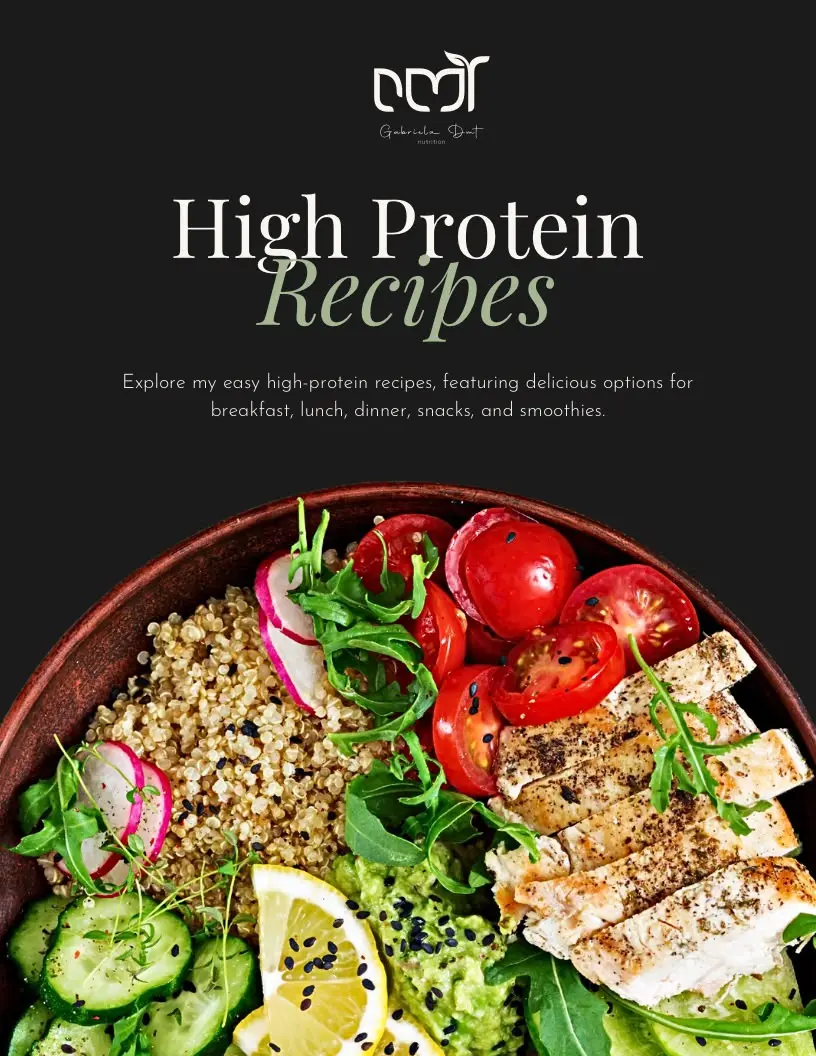
Your next step: pick one meal to simplify using the DMT recipe library.
Sources: NHS fibre and hydration guidance, linked above. This is an editorial prioritisation, not a quantified forecast of consumer trends.